Corrosive media can quickly damage ordinary metal valves. Strong acids, aggressive chemicals, oxidizing fluids, chlorine-containing media and mixed chemical processes may attack the valve body, trim, sealing surfaces and stem area. Once corrosion starts, the valve may leak, seize, contaminate the process or fail before its expected service life.
Fluorine lined valves are designed to solve this problem. Instead of making the entire pressure-retaining body from expensive corrosion-resistant alloy, the valve body is usually made from carbon steel, ductile iron, cast steel or stainless steel, while wetted surfaces are protected by a fluoropolymer lining.
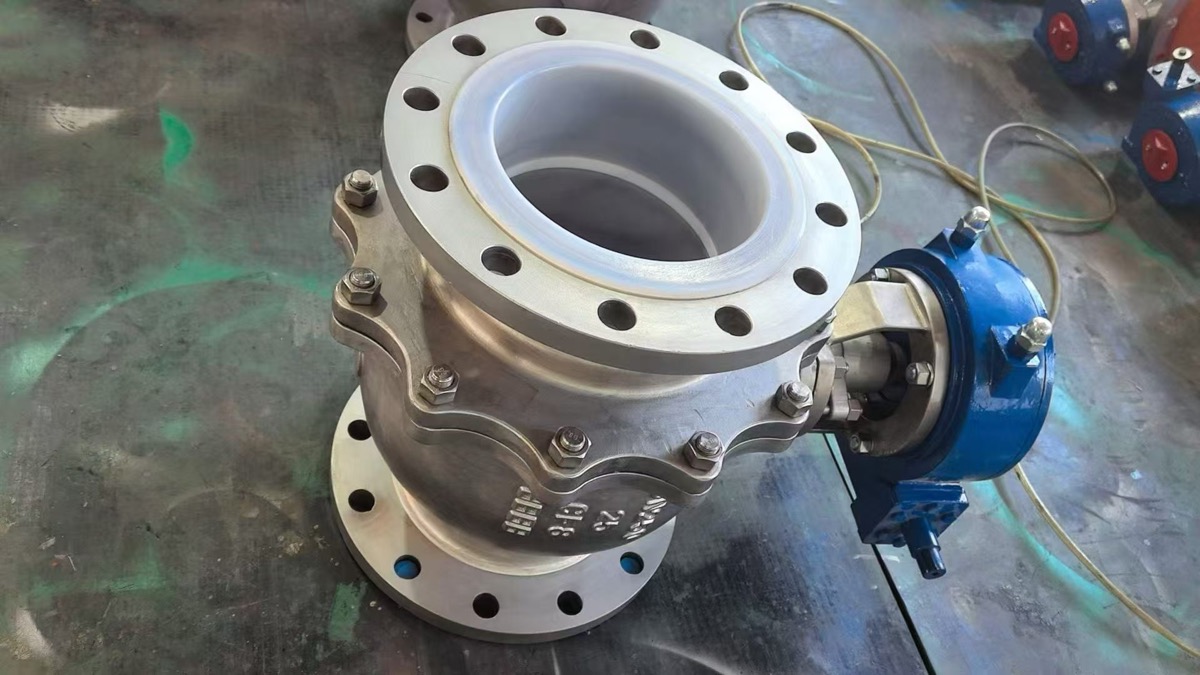
Common fluorine lining materials include PTFE/F4, FEP/F46 and PFA. They differ in temperature resistance, chemical resistance, melt processability, mechanical strength, permeability and cost. This guide explains how fluorine lined valves work, which valve types are commonly lined and what selection factors matter in corrosive service.
What Are Fluorine Lined Valves?
A fluorine lined valve is a valve with a fluoropolymer lining on the internal surfaces that contact the process medium. The purpose is to protect the metal body from corrosion while keeping the mechanical strength of a metal valve.
In most designs, the valve body provides pressure resistance and structural strength. The fluoropolymer lining provides chemical resistance. This combination is useful in chemical processing because it can be more economical than solid alloy valves while still offering excellent corrosion protection for many aggressive fluids.
Fluorine lined valves are commonly used for:
- Strong acids and mixed acid systems.
- Chlorinated chemicals and oxidizing media.
- Corrosive wastewater and chemical dosing systems.
- Pickling and surface treatment lines.
- Fertilizer, pesticide, pharmaceutical and fine chemical production.
- Semiconductor and electronics chemical systems.
Common Fluorine Lining Materials
Different lining materials are used depending on corrosion resistance, operating temperature, pressure, manufacturing method and cost. The most common materials include PTFE, FEP/F46 and PFA.
| Lining material | Main characteristics | Typical use |
|---|---|---|
| PTFE/F4 | Excellent chemical resistance, low friction and good temperature resistance. Processing is different from melt-processable fluoropolymers. | Strong acid and general corrosive chemical service. |
| FEP/F46 | Good chemical resistance, melt processability and easier lining formation, with lower high-temperature capability than PTFE or PFA. | Molded linings, complex shapes and general corrosive chemical valves. |
| PFA | Excellent chemical resistance, good melt processability, better high-temperature performance than FEP and good purity. | Severe chemical service, high-purity systems and demanding lining quality. |
Temperature limits vary by manufacturer, pressure, valve type and lining thickness. Always confirm the specific valve datasheet instead of selecting by material name alone.
PTFE Lined Valves
PTFE, also known as polytetrafluoroethylene or F4, is one of the most widely used fluoropolymer lining materials. It has excellent chemical resistance and a very low coefficient of friction. PTFE resists many acids, alkalis, solvents and oxidizing chemicals.
PTFE lined valves are often selected for hydrochloric acid, sulfuric acid under suitable conditions, nitric acid under suitable conditions, acetic acid, alkali solutions and many organic chemicals.
Main advantages of PTFE lining include:
- Excellent overall chemical resistance.
- Good temperature resistance compared with many plastics.
- Low friction, smooth surface and non-stick behavior.
- Wide industrial acceptance in severe corrosive media.
Main limitations include softness, creep and cold flow, possible permeation in some services and sensitivity to lining quality, thickness, vacuum conditions and flow velocity.
FEP/F46 Lined Valves
FEP, often called F46 in China, has good chemical resistance and can be melt-processed, which makes it suitable for lining complex valve shapes by molding or similar manufacturing methods.
FEP has chemical resistance close to PTFE for many media, but its maximum service temperature is generally lower. It is commonly used when good corrosion resistance and good processability are both important.
FEP/F46 is often cost-effective for corrosive chemical pipelines where the temperature is within the material's safe range and the process does not require the higher temperature performance of PFA.
PFA Lined Valves
PFA is a high-performance fluoropolymer with excellent chemical resistance and good melt processability. It combines many benefits of PTFE with easier processing for lining applications.
Compared with FEP, PFA generally offers better high-temperature performance. Compared with PTFE, PFA is easier to melt-process, which can help produce dense, smooth and high-quality linings.
PFA lined valves are often used when the process is highly corrosive, high purity, high value or more demanding than standard FEP/F46 lined service.
PTFE vs FEP/F46 vs PFA
| Material | Chemical resistance | Temperature capability | Processability | Best use |
|---|---|---|---|---|
| PTFE/F4 | Excellent | High | More difficult to melt-process; often formed by compression, paste extrusion or lining processes. | General severe corrosion service. |
| FEP/F46 | Very good for many media | Lower than PTFE/PFA | Good melt processability. | Molded linings and general corrosive service. |
| PFA | Excellent | Higher than FEP and close to PTFE in many uses | Good melt processability. | Severe, high-purity or demanding chemical service. |
Which Valve Types Can Be Fluorine Lined?
Many industrial valve types can be fluorine lined. The most common are valves used for isolation, control, check service and corrosive chemical handling.
Fluorine Lined Ball Valves
Fluorine lined ball valves are used for on/off isolation in corrosive pipelines. The ball and internal wetted surfaces are lined or encapsulated with fluoropolymer material, while the body provides mechanical strength.
They offer fast quarter-turn operation and good shutoff, but are generally used for isolation rather than precise throttling unless designed as a special control ball valve.
Fluorine Lined Butterfly Valves
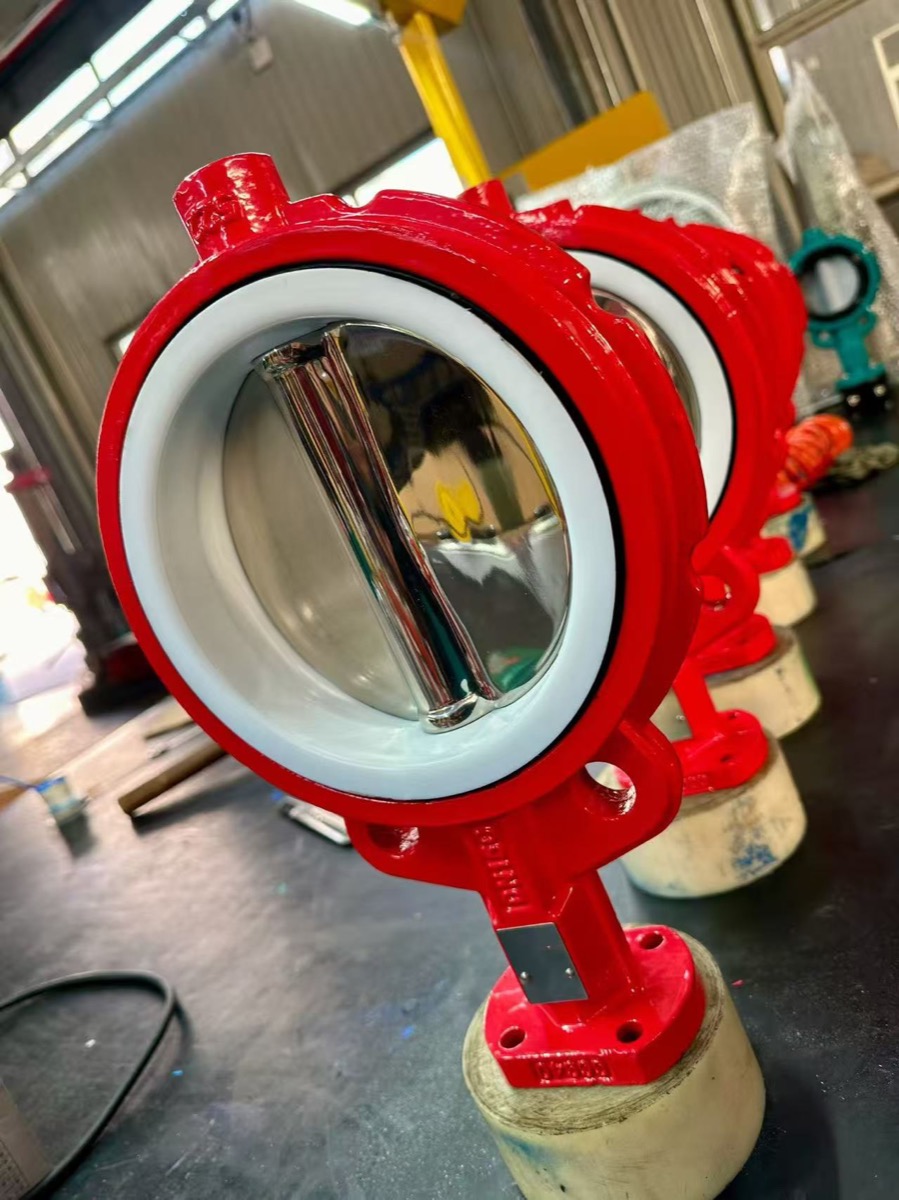
Fluorine lined butterfly valves are widely used because they are compact, lightweight and cost-effective for larger pipe sizes. The disc and body wetted areas are protected by fluoropolymer lining.
Fluorine Lined Diaphragm Valves
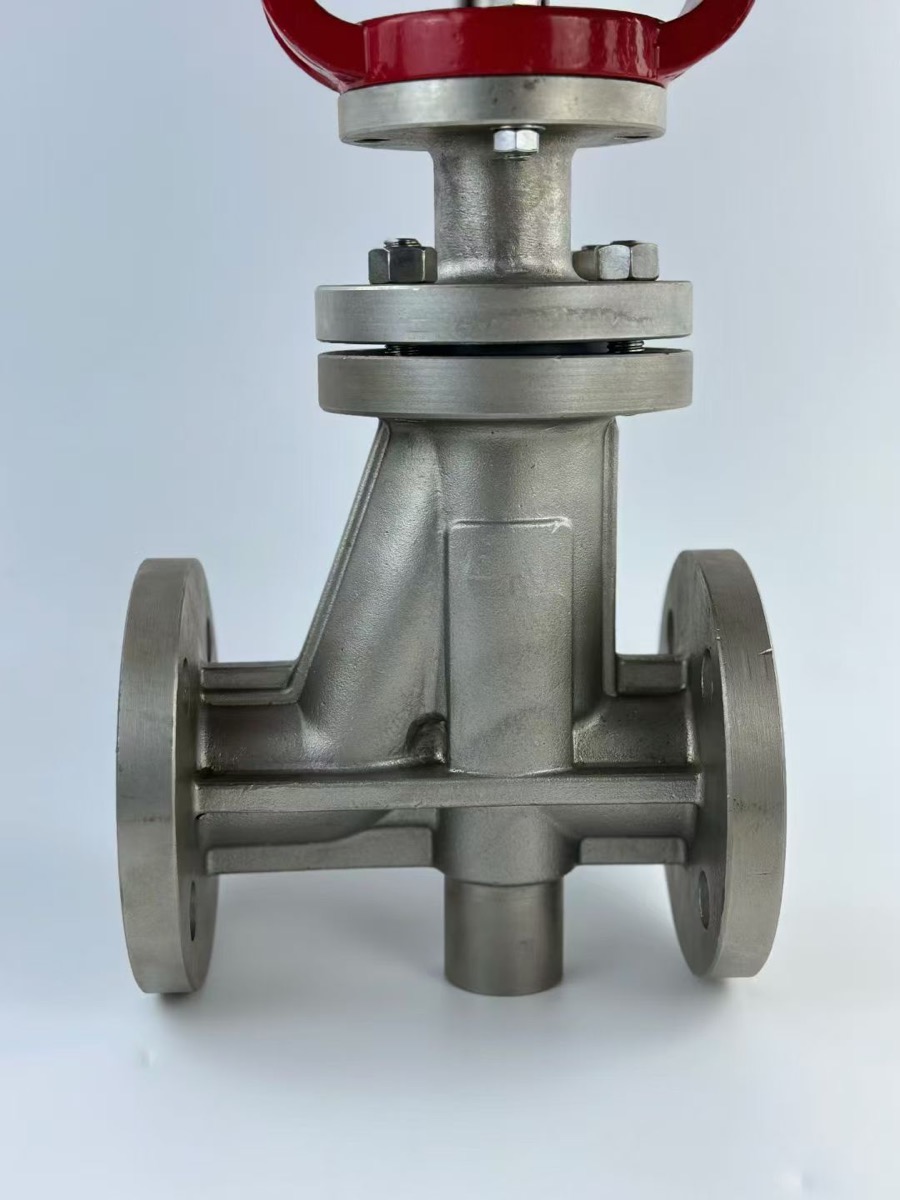
Fluorine lined diaphragm valves are common in corrosive and clean services. The diaphragm isolates the medium from the bonnet and stem area, reducing leakage paths and protecting mechanical components.
Fluorine Lined Globe and Control Valves
Fluorine lined globe valves are used when throttling or more controlled flow adjustment is required in corrosive service. Compared with ball or butterfly valves, globe valves generally provide better throttling performance, but they also create higher pressure drop.
Fluorine Lined Plug Valves
Fluorine lined plug valves provide a simple rotary shutoff design and a protected flow path. They can provide reliable shutoff, but operating torque and sleeve condition should be checked during selection.
Selection Guide for Fluorine Lined Valves
Selecting a fluorine lined valve requires more than choosing a material name. The valve must match the medium, process conditions and mechanical requirements.
Important selection factors include:
- Medium name, chemical composition and concentration.
- Operating temperature and pressure.
- Flow rate, velocity and required leakage class.
- Presence of solids, crystals or abrasive particles.
- Pipe size, end connection and pressure rating.
- Lining material, lining thickness and body material.
- Actuator requirements and control function.
For strong corrosive media, always confirm compatibility with the manufacturer or a reliable chemical resistance chart. Do not select only by the general media name, because concentration and temperature can completely change the corrosion behavior.
Common Selection Mistakes
One common mistake is assuming all fluorine linings are the same. PTFE, FEP/F46 and PFA have different strengths and limitations, so the material should be matched to the actual chemical service.
Another mistake is ignoring temperature. A lining material that resists a chemical at room temperature may fail or permeate faster at elevated temperature. It is also risky to use lined valves for abrasive slurry without checking wear, because fluoropolymer linings are excellent for corrosion resistance but not universal abrasion solutions.
Some users choose lined valves only by valve type and forget the operating function. Ball valves and butterfly valves are excellent for isolation, while globe valves or special control valves may be better for frequent throttling.
FAQ
What is the difference between PTFE and FEP/F46 lining?
PTFE has excellent chemical resistance and good high-temperature capability, while FEP/F46 also has good chemical resistance and is easier to melt-process for molded linings. FEP/F46 generally has lower high-temperature capability than PTFE and PFA.
Is PFA better than PTFE for lined valves?
PFA is better for some applications because it combines excellent chemical resistance with melt processability and a smooth lining surface. However, it is usually more expensive. PTFE remains a strong choice for many general corrosive services.
Which valve types can be fluorine lined?
Common fluorine lined valve types include ball valves, butterfly valves, diaphragm valves, globe valves, check valves and plug valves. The right type depends on whether the application needs isolation, control, check service or chemical dosing.
What corrosive media need fluorine lined valves?
Fluorine lined valves are often used for hydrochloric acid, sulfuric acid under suitable conditions, nitric acid under suitable conditions, hydrofluoric acid, phosphoric acid, chlorine-containing media, sodium hypochlorite, mixed acids, corrosive wastewater and many chemical process fluids.
Are fluorine lined valves suitable for vacuum?
Not all fluorine lined valves are suitable for vacuum. Vacuum can deform or pull the lining if the valve is not designed for it. Always confirm the vacuum rating with the manufacturer.
Need Help Selecting Corrosion-resistant Valves?
JIANENG Valve supplies fluorine lined butterfly valves, lined ball valves, lined control valves and corrosion-resistant valve packages for chemical and industrial processes.
Contact Our Technical Team